Introduction
Most organizations today are not short on talent, intelligence, or ambition. Yet, many teams struggle with:
- Misalignment across departments
- Duplication of efforts
- Poor communication
- Competing priorities instead of shared goals
The problem is not capability; it’s how teams think, collaborate, and make decisions under pressure.
This is where The Search for the Lost Dutchman’s Gold Mine (LDGM) becomes a game-changer.
Unlike traditional training, LDGM is an immersive experiential learning simulation that enables leaders and teams to experience these challenges in real time and transform how they respond to them.
What is The Search for the Lost Dutchman’s Gold Mine (LDGM)?
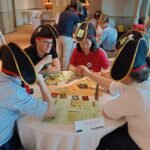
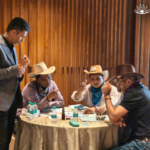
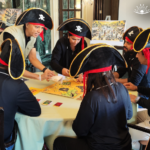
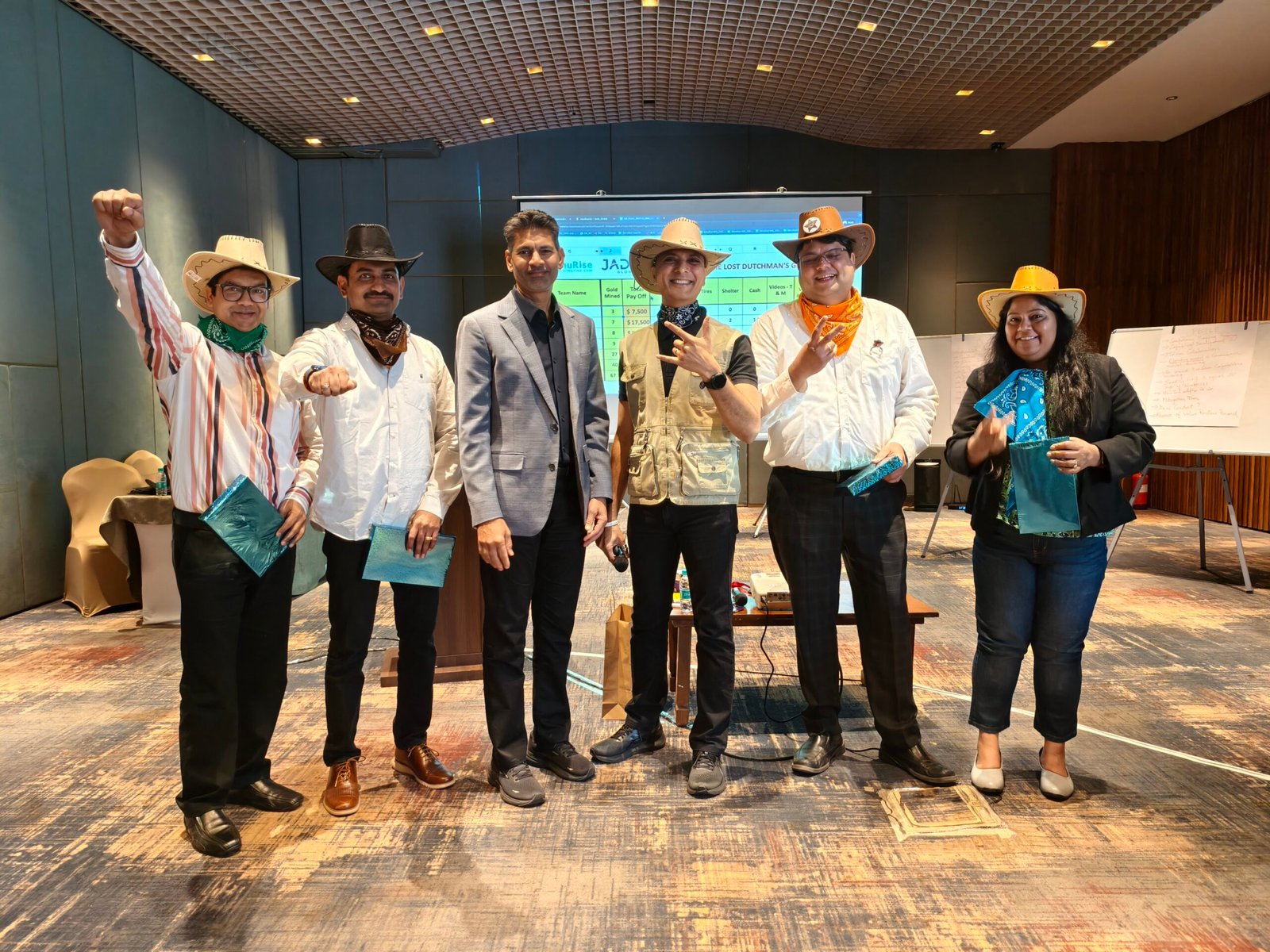
LDGM is a high-energy, in-person business simulation where participants embark on a challenging expedition through the Superstition Mountains of Arizona in search of legendary gold.
But this is not just a game.
It is a strategic leadership and team-building intervention that mirrors real organizational dynamics, including:
- Collaboration vs competition
- Planning vs execution
- Resource constraints vs ambition
- Individual success vs organizational success
Participants don’t just learn these concepts; they live them under pressure.
The Real Organizational Challenges LDGM Solves
Across industries, leaders often express similar concerns:
- “We’re busy, but not aligned.”
- “Everyone wants to win individually.”
- “Teams don’t share knowledge.”
- “We miss the bigger picture chasing small wins.”
- “We don’t pause to reflect, we just keep moving.”
These are not isolated issues; they are systemic behavioral patterns.
LDGM is specifically designed to surface and transform these patterns through experiential learning.
How LDGM Transforms Team and Leadership Behavior
1. From Competition to Collaboration
At the start, teams naturally compete.
But as the simulation unfolds, a powerful realization emerges:
Competing internally limits overall success.
Teams that collaborate share insights, coordinate strategies, and align decisions consistently outperform others.
This creates a shift:
From isolated success → to collective victory
2. From Resource Hoarding to Smart Utilization
In most organizations, teams tend to:
- Protect resources
- Avoid sharing information
- Operate defensively
In LDGM, this behavior quickly backfires.
Participants learn:
Success depends on optimizing and sharing resources, not hoarding them.
3. From Activity to Strategic Thinking
Teams often confuse being busy with being effective.
LDGM challenges this by forcing participants to:
- Plan strategically
- Prioritize actions
- Balance risk vs reward
Result:
A shift from reactive execution to intentional strategy
4. From Short-Term Wins to Big-Picture Alignment
Many teams chase immediate gains without considering long-term impact.
Through the simulation, participants realize:
- Local wins can lead to organizational losses
- Alignment drives sustainable success
Teams begin thinking enterprise-first, not team-first
5. From Assumptions to Clear Communication
Poor communication is one of the biggest barriers to performance.
In LDGM:
- Information gaps create real consequences
- Misalignment leads to failure
Participants learn:
Clear, timely communication is not optional; it’s critical
What Participants Experience During LDGM
The simulation places participants in a dynamic, high-pressure environment:
- Teams begin at Apache Junction, preparing for the expedition
- They must acquire resources, equipment, and maps
- Navigate uncertain terrain and weather conditions
- Make decisions with limited information
- Adapt strategies in real time
As pressure builds:
- Trade-offs become inevitable
- Collaboration becomes necessary
- Leadership behaviors become visible
This mirrors real-world business environments:
- Fast-paced
- Unpredictable
- Interdependent
- High-stakes
The Role of Debriefing: Turning Experience into Insight
The most powerful learning happens after the simulation.
During structured debriefs, participants reflect on:
- What decisions worked and why
- Where communication broke down
- How collaboration impacted outcomes
- What they would do differently in real life
This reflection connects simulation behavior to workplace reality.
LDGM doesn’t just create awareness, it drives behavioral change.
Key Outcomes Organizations Achieve with LDGM
Organizations that implement LDGM consistently see:
Stronger Collaboration
Teams move from working in isolation to working as one system
Better Resource Management
Leaders learn to maximize existing resources instead of asking for more
Improved Decision-Making
Participants gain confidence in making timely, high-quality decisions under pressure
Alignment Across Teams
A clear understanding of how individual actions impact organizational success
Breakdown of Communication Barriers
Silos reduce as teams begin to share openly and collaborate proactively
Immediate Application
Learnings are practical and can be implemented the very next day
Why LDGM Stands Out Among Experiential Learning Companies
Most training programs:
- Focus on concepts
- Rely on passive learning
- Deliver short-term engagement
LDGM is different.
It offers:
- Immersive, high-energy gameplay
- Real-time decision consequences
- Peer-driven learning experiences
- Scalability (20 to 300+ participants)
- Deep behavioral insights through debriefing
This makes it one of the most effective solutions among experiential learning companies and leadership training companies globally.
Who is LDGM Ideal For?
LDGM is designed for:
- Cross-functional teams
- Mid-level managers
- Senior leadership teams
- High-potential talent groups
Whether your goal is:
- Improving collaboration
- Strengthening leadership alignment
- Enhancing decision-making
- Driving strategic thinking
LDGM delivers measurable, lasting impact.
How the Simulation Flows
The experience is structured for maximum engagement and learning:
- Briefing & Planning Phase – Teams understand objectives and prepare strategy
- Expedition Launch – The journey begins with real-time decision-making
- Mine Exploration – High-pressure execution and adaptation
- Facilitated Debrief – Reflection and learning transfer
Duration: 3.0 – 3.5 hours
Format: In-person
Participants: 20 to 300+
Why Experiential Learning Works Better Than Traditional Training
Traditional training tells people what to do.
Experiential learning:
- Creates real consequences
- Engages emotions and cognition
- Encourages reflection and application
This leads to:
- Higher retention
- Faster behavior change
- Stronger business impact
LDGM embodies this philosophy, making learning practical, memorable, and actionable.
Final Thoughts: From Insight to Action
Organizations don’t transform through presentations.
They transform through shared experiences that challenge thinking and behavior.
The Search for the Lost Dutchman’s Gold Mine is more than a simulation it’s a catalyst for alignment, collaboration, and performance.
It helps teams:
- See how they truly operate
- Understand the impact of their decisions
- Shift from competition to collaboration
And most importantly:
Move from fragmented efforts to unified success.
Ready to Transform Your Teams?
Explore how experiential learning can unlock your team’s full potential by reaching out to us at marketing@simurise.com or calling Annie at +91 9082381193.
Let’s help your teams collaborate better, think strategically, and perform at their highest potential.