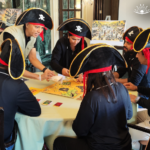
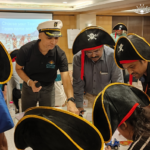
Corporate culture embraces the leadership offsite as part of modern work life. Leadership off-sites provide leaders with an opportunity to step back from day-to-day operations and focus on re-evaluating, re-establishing, and reconnecting with their teams more intentionally as companies continue to move forward in hybrid work environments, rapidly changing team dynamics, and increasing complexity.
Although not every offsite event is the same, and there can be a significant distinction between a very casual outing with coworkers and a leadership offsite designed to help enhance trust, alignment, and performance between a company’s leadership team and their respective teams, many companies still offer “fun” offsite events, where company leaders participate to promote camaraderie, as well as encouragement, as well as fun.
While there can certainly be a place for fun in off-site activities, when considering meaningful change (e.g., how can we improve our overall Collaboration and Team Agility?), it is essential to develop meaningful dialogue surrounding these subjects, along with gaining clarity regarding the purpose behind (or reason for) the change, through careful design.
The final guide will focus on developing the overall experience, fostering meaningful discussion, posing pertinent questions, and ensuring that the results of the off-site discussion lead to action for the company. In summary, this final guide presents strategies based on our practical experience to help you develop your next leadership offsite.
Team Building vs. Team Development: Understanding the Difference
When people use the term Team Building, it is usually in connection to fun bonding activities (for example: games) and socialising. While they can contribute to a greater sense of belonging and boost morale, they don’t necessarily deliver long-term performance benefits.
Conversely, Team Development focuses on building greater self-awareness, addressing real-life situations and obstacles, and enhancing how teams work together to maximise their talent pool and achieve optimal performance across the organisation as a whole.
Team Development should be the focus of leadership off-site retreats, rather than merely entertaining your team members.
The two approaches can certainly coexist; however, if you want your team to be aligned and drive real behavioural change, you need to plan your offsite specifically for this purpose.
Why Hold a Leadership Offsite?
Based on extensive facilitation experience, leadership off-sites are particularly powerful for:
1. Building Trust and Psychological Safety
Fear is a common emotion at work. Many employees hold back ideas, feedback, and concerns. A leadership offsite can create a safe space for open communication, rebuilding trust, and restoring honest dialogue.
2. Strategy and Alignment
Offsites allow leaders to step away from day-to-day firefighting and focus on long-term direction. When leaders co-create the future together, commitment and ownership increase.
3. Learning and Experimenting
Whether it is improving accountability, decision-making, or collaboration, off-sites provide a safe environment to test new ways of working.
4. Tackling Large Initiatives
With fewer interruptions and all key stakeholders in one place, teams make more progress on complex issues than they would in fragmented meetings.
5. Increasing Team Awareness
Reflecting on collective behaviours, mindset, and results helps uncover blind spots, address tensions, and amplify what is already working.
Start With the Right Questions
Most leaders begin with: “What do we want to achieve?”
That is necessary but not sufficient.
Here are five deeper, outcome-driven questions that shape powerful off-sites:
1. How do you want your team to feel?
Emotions shape behaviour. Whether you want your team to feel safe, valued, connected, energised, or courageous, this intention should guide every design decision from venue to activities.
2. What is getting in the way of your team’s success?
Often, the real obstacles are unclear decision-making, unspoken tensions, misaligned priorities, or a lack of trust. Naming these issues directly makes the offsite relevant and honest.
3. What behavioural shift will change your team’s trajectory?
A great offsite creates a “before” and “after.” That shift must be reflected in different behaviours in meetings, decision-making, and collaboration.
4. What problem are you truly trying to solve?
Initial problem statements often change once real conversations begin. Pre-work, such as surveys and interviews, helps surface the deeper, systemic issues.
5. Are leaders ready to participate fully?
Leadership presence is not symbolic; it is essential. Leaders are part of the system, not observers.
Step-by-Step: How to Plan a Leadership Offsite
Step 1: Define Clear Objectives
An offsite must have a purpose. Common leadership offsite goals include:
- Strategic planning and vision alignment
- Improving collaboration and communication
- Navigating organizational change
- Driving innovation
- Strengthening leadership cohesion
Clarity here determines everything else.
Step 2: Choose the Right Offsite Type
Different challenges require different formats:
Team Stabilisation – Rebuilding trust and resolving deep tensions
Team Timeout – Reflection, learning, and continuous improvement
Team Reboot – Resetting ways of working
Innovation Session – Designing what’s next
Choose based on urgency, trust levels, and transformation needs
Step 3: Assemble the Right Design Team
A leadership offsite should not be designed by a single person.
Involve a small, diverse group, including the leader, to co-create objectives and agenda. This prevents misalignment and builds early ownership.
Step 4: Do the Pre-Work
Pre-work shapes success.
- Run surveys to understand tensions
- Conduct one-on-one interviews
- Share pre-reads or reflection prompts
This creates curiosity and psychological readiness.
Step 5: Design the Flow
Leadership off-sites are emotionally and mentally demanding. Your agenda should balance:
- Deep work with lighter moments
- Reflection with action
- Group discussions with individual thinking
- Sitting with movement
Include breaks for recovery and debriefs to process insights.
End on a high note with commitments and a closing ritual.
Creating the Right Environment
1. Duration
Most leadership off-sites work best between 1 and 3 days.
2. Location
Choose a venue outside the regular workplace. Nature, open spaces, and quiet environments reduce distractions and support deeper thinking.
3. Food and Energy
Good food matters. Avoid heavy meals. Keep people hydrated and energised.
4. Room Setup
Avoid hierarchy in seating. Leaders should not physically dominate the space.
Psychological Safety Comes First
Everything begins with safety.
- Be transparent about the purpose
- Share survey results with everyone
- Maintain confidentiality
- Establish clear ground rules
Leaders must model vulnerability. If leaders stay guarded, so will everyone else.
Why External Facilitation Matters
External facilitators bring:
- Neutrality
- Psychological safety
- Proven frameworks
- Cross-industry insights
- The ability to challenge patterns
Facilitating an offsite is not the same as running a meeting or a training session.
Engagement Is Not Optional
Participation must be intentional.
- Use structured methods to prevent domination
- Invite quieter voices
- Rotate roles
- Design for interaction
Every participant should feel invested.
Logistics Matter More Than You Think
Strong logistics reduce anxiety and distraction.
- Share agendas early
- Set expectations
- Balance work and downtime
- Build in reflection moments
Poor logistics undermine even the best content.
Make It Developmental, Not Just Fun
A leadership offsite should include:
- Growth mindset discussions
- Leadership skill-building
- Decision-making practices
- Reflection on values and behaviours
Fun is a vehicle, not the destination.
Document, Commit, Follow Through
An off-site without follow-through is a wasted investment.
- Capture insights and decisions
- Assign owners
- Create a 1-day, 1-week, 1-month action plan
- Schedule a follow-up session
Many teams also create a team contract, a shared commitment to new behaviours.
Final Thoughts
Leadership off-sites provide an opportunity for leaders to take time away from being busy putting out fires in their business (and their days). Leadership off-sites create moments when leaders can step back and view their business holistically. Leadership off-sites provide a space for leaders to slow down, think differently, challenge the status quo, and align their efforts around the most critical things in their business.
A well-designed and facilitated leadership off-site can do the following:
- Restore trust through honest, open discussion of previously unaddressed issues.
- Clarify direction by aligning leaders on strategy, priority placements, and common outcomes.
- Transform behaviour based on experiences (real-life), showing how leaders will deal with each other under stress at the leadership off-site.
- Reinforce team cohesion by moving the mindset of leaders from operating independently to taking joint ownership of their efforts.
- Create opportunities to improve performance by translating knowledge gained through dialogue into commitments to action.
The real value of the leadership off-site is when leaders participate together, away from their normal routines and responsibilities, building the business as a whole rather than working in their respective silos. When leaders reflect on and integrate their experiences with discussions/learning events, followed by action, leadership off-sites can drive sustained behavioural change and improved business profitability.
In an age of constant change and uncertainty, it has become imperative that organisations hold intentional leadership off-sites to come back together, realign their focus, work as a team, and lead the organisation with intent and purpose.
Wishing you a powerful, purpose-driven, and transformative 2026–2027.
For more information, reach out to us at marketing@simurise.com | 0845-208-4442 /
0932-498-0145.