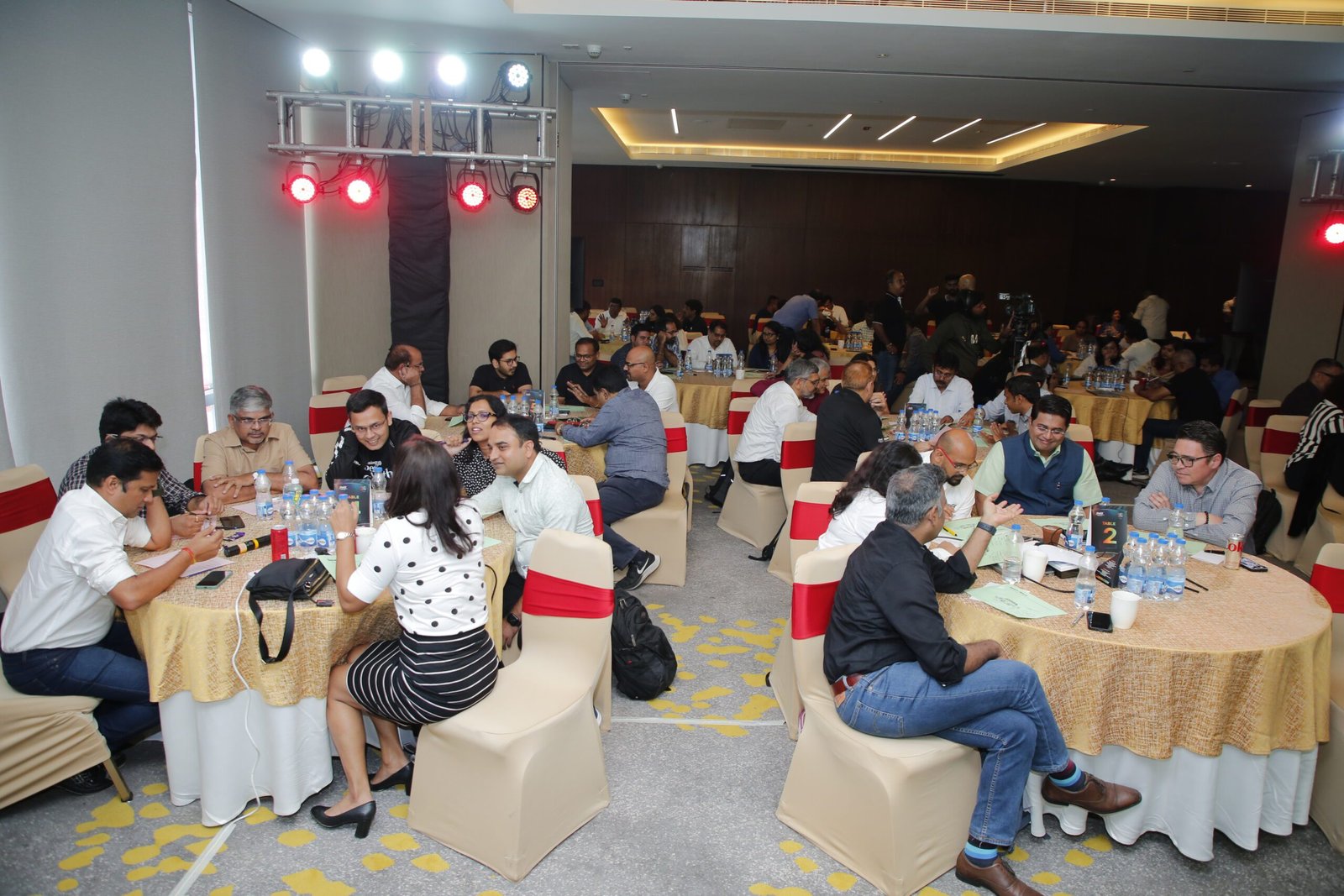
In today’s complicated world of business, success is driven by collaboration, not by individual genius. However, many organisations still struggle with internal silos. They face fragmented communication and competition between departments and colleagues that gets in the way of moving forward. This is why building collaboration over competition has become a critical leadership capability for modern organisations.
How do you assist teams in moving from “me” to “we”?
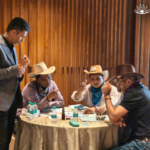
At SimuRise, we rely on experiential learning to turn collaboration into an observable and sustainable behaviour. One of our most impactful learning tools is The Lost Dutchman’s Gold Mine, a world-class business simulation designed to allow teams to feel, realise, and embrace the importance of working together to meet mutual objectives.
About The Lost Dutchman’s Gold Mine Simulation
The Lost Dutchman’s Gold Mine does exactly that — it has teams progressing on a thrilling adventure to “mine as much gold as WE can,” all set on the stunning Arizona landscape of the Superstition Mountains. While the premise is simple, the lessons are deep.
Teams are tasked with limited resources (fuel, water, and supplies), operate unpredictably, and face tough decisions that determine if they are successful or are struggling. While the structure invites competition, the brilliance is in cooperation. The more information is shared, strategies align, and teamwork is fostered, the more gold everyone earns collectively.
This high-paced, engaging simulation reflects real-life situations within organisations: departments working independently, often at odds with each other, when alignment working together would yield a far better result.

Key Learnings from the Simulation
The Lost Dutchman’s Gold Mine is more than just a game. It reflects workplace behaviour. Through hands-on learning and organised discussions, participants discover vital lessons such as:
1. Building Collaboration Over Competition
When teams focus on shared success instead of outdoing one another, results increase. The game’s main goal, “Mine as much gold as WE can,” emphasises moving from self-interest to collective success.
2. Strategic Planning Under Pressure
Limited time and resources push teams to think critically, plan well, and adjust quickly. The simulation teaches leaders how to make sound decisions even when faced with uncertainty, similar to real business situations.
3. Effective Resource Management
Managing fuel, tools, and routes serves as a metaphor for handling business resources wisely. Teams learn to allocate resources carefully and share when needed, highlighting the importance of teamwork.
4. Leadership and Communication
The debriefing process itself is designed to be collaborative. Teams share their experiences, strategies, and insights, learning from each other’s successes and failures. This collaborative reflection reinforces the game’s message and models the behaviour participants are encouraged to adopt in their workplaces.
5. Reflection and Learning from Experience
The organised debrief session is essential. It allows participants to think about their actions, talk about outcomes, and identify strategies for better collaboration and performance in the real world.

How Participants Benefit
Participants leave The Lost Dutchman’s Gold Mine with pragmatic insights applicable to the development of their trusted insights that extend well beyond the session:
1. Enhanced Team Collaboration:
Teams experience how open communication and collaboration create superior outcomes to working in silos.
2. Leadership Development:
Leaders learn how to juggle delegating, trust, and strategic decision-making in high-pressure situations.
3. Greater Cross-Functional Understanding:
Participants can better appreciate how different departments need to come together and work towards a common organisational goal.
4. Decision-Making Agility:
Teams learn how to make fast and effective decisions while working within limited resources that mimic real business parameters.
5. Trust and Accountability:
The simulation creates a level of trust amongst teammates that promotes ownership and a transparent work environment in pursuit of common goals.
Organisational Benefits: From Insights to Impact
For organisations, the benefits go far beyond the game room. The Lost Dutchman’s Gold Mine creates measurable shifts in team dynamics and culture:
1. Breaks Down Silos:
Encourages departments and functions to collaborate instead of compete.
2. Drives Strategic Alignment:
Helps teams align their actions to broader organisational goals.
3. Strengthens Leadership Pipelines:
Cultivates leaders who think strategically, communicate effectively, and inspire collaboration.
4. Enhances Organisational Agility:
Teams learn to adapt, share resources, and problem-solve together, crucial skills in fast-changing business environments.
5. Builds a Culture of “We”:
The experience drives home the principle that collective success delivers greater returns than isolated wins.
Across industries, from financial services to manufacturing and technology organisations, those that have used this simulation report tangible improvements in collaboration, communication, and overall team performance.
Real-World Examples
A global manufacturing organisation, one of SimuRise’s clients, used The Lost Dutchman’s Gold Mine in their leadership offsite. Before the debriefing conversations, the teams were solely focused on their individual success and competing against one another. During the debrief, they had the realisation that had they agreed upon common routes and resources, they could have literally doubled their production.
Once they had that realisation, their culture began to shift. The organisation began some new initiatives towards collaboration, and within just three months, they had significant gains in project coordination between departments and overall trust.
This shift demonstrates the power of experiential learning. When learners experience competition versus cooperation in practice, the lesson stays with them.
How SimuRise Can Help
At SimuRise, we design experiential, simulation-based learning programs that develop leadership, collaboration, and strategic thinking.
With The Lost Dutchman’s Gold Mine, we don’t just teach collaboration; we let teams experience it. Our facilitators tailor the experience to your organisation’s unique challenges and link game behaviours directly to real-world business outcomes during every debrief.
We help teams:
– Build collaboration across departments
– Strengthen leadership communication
– Improve decision-making and strategic focus
– Translate insights from play into measurable workplace impact
Whether it’s a leadership retreat, a strategy workshop, or an organisational change effort, SimuRise makes learning immersive, practical, and memorable.
Conclusion
The Lost Dutchman’s Gold Mine isn’t just a simulation; it’s a spark for change. It helps organisations shift from internal competition to collaboration, develop stronger leaders, and unite teams toward shared success.
In a world where speed, flexibility, and teamwork define success, this simulation highlights a simple truth: when we focus on “mining as much gold as WE can,” everyone benefits.
In a world where speed, flexibility, and teamwork define success, this simulation highlights a simple truth: building collaboration over competition is no longer optional; it is essential for sustainable performance and collective success.
At SimuRise, we believe in learning through action. With The Lost Dutchman’s Gold Mine, teams discover that the greatest rewards come from working together.
Let’s work together as one team to achieve our shared goals.
As a business leader, if you want your teams to embed the power of collaboration, break down silo mindsets, and achieve organisational goals, please feel free to write to us at marketing@simurise.com or call Annie at +91 9082381193 to discuss your leadership development requirements.